The Ultimate Guide to Plastic Wraps for Packing and Moving
Plastic wrap, often called stretch wrap or pallet wrap, is a thin, strong, and flexible plastic film primarily used to bundle, secure, and protect items during packing, storage, and transportation. It has become an essential material in residential and commercial moving processes, particularly for safeguarding furniture, appliances, and grouped items.
Unlike bubble wrap or packing paper, plastic wrap adheres to itself without the need for adhesive and is commonly used to prevent shifting, dust accumulation, and surface scratches. Its availability in various sizes and thicknesses makes it suitable for diverse applications—from wrapping kitchen chairs to bundling cords or protecting delicate upholstery.
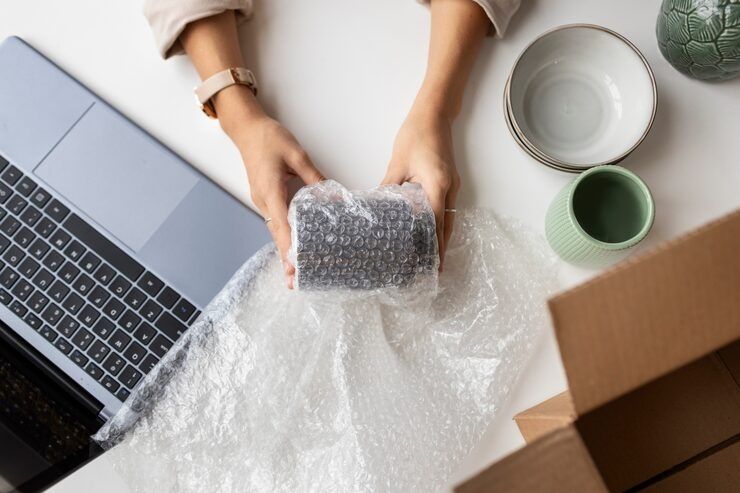
Plastic wrap's role in logistics, warehousing, and everyday home moves continues to grow as consumers seek affordable and efficient packing solutions. Whether you're moving across town or shipping products across the country, understanding how to use plastic wrap properly can significantly reduce risks and effort during transit.
Why Plastic Wraps Matter Today
The importance of plastic wrap in packing and moving has grown due to several factors:
-
Protection: It shields furniture and objects from scratches, spills, and dust.
-
Efficiency: Speeds up the packing process by bundling multiple items together securely.
-
Cost-effective: Compared to boxes and other specialized materials, plastic wrap is lightweight, inexpensive, and versatile.
-
Eco-awareness: Recyclable and reusable options are now available, aligning with the demand for sustainable moving supplies.
Plastic wrap affects a wide audience:
-
Homeowners and renters packing for a move
-
Small businesses shipping products
-
Professional movers seeking secure and quick packing methods
-
Storage users protecting belongings in warehouses or garages
It solves key problems like keeping drawers shut, wrapping oddly shaped items, bundling small parts, and minimizing movement during transport.
The flexibility of plastic wrap makes it ideal for both amateurs and professionals. Whether you’re packing kitchenware, electronics, or furniture, it's a go-to tool for simplicity and security.
Recent Trends and Developments in Plastic Wrap Use
In the past year, a number of developments have emerged in the packaging and moving industry concerning plastic wrap:
-
Biodegradable plastic wraps are becoming more available. In 2024, several manufacturers launched wraps made from plant-based polymers, designed to decompose faster in composting environments.
-
Pre-stretched wraps have gained popularity due to reduced film waste and user fatigue. These wraps offer the same strength with less plastic and effort.
-
Color-coded wraps (such as black for electronics or clear for general use) have seen increased adoption in warehouses and moving companies for better item identification.
-
Anti-static wraps are now more frequently used for electronic components and devices, reflecting a growing need for safe electronics transportation.
A 2024 report from the Global Packaging Trends Review showed that nearly 35% of logistics companies shifted toward using pre-stretched and recyclable wraps, citing reduced plastic consumption and improved packing efficiency.
Additionally, online tutorials and digital guides on effective plastic wrap use have increased dramatically, indicating a higher public interest in DIY packing methods.
Policies and Regulations Affecting Plastic Wrap Use
Plastic wraps, while convenient, fall under environmental and waste management regulations in many regions:
-
EU regulations (Directive 2019/904): Limits the use of certain single-use plastics and encourages biodegradable alternatives. Some plastic wraps may fall under extended producer responsibility (EPR) programs.
-
India’s Plastic Waste Management (Amendment) Rules, 2022: Restricts the use of non-recyclable plastic films below 75 microns, pushing users to adopt thicker, recyclable variants.
-
US State Legislation: States like California and New York have plastic bag and film recycling mandates, and moving companies must often document proper disposal or recycling methods for plastic packaging materials.
-
Canada’s Federal Ban (2023): Though it mainly targets plastic bags and straws, packaging materials are also under scrutiny. Recyclability and clear labeling are essential for compliance.
Consumers and businesses are encouraged to use wraps that are either recyclable (typically marked with resin codes like #2 or #4) or reusable to stay within legal and environmental guidelines.
Useful Tools and Resources for Packing with Plastic Wrap
There are a variety of tools and resources that make working with plastic wraps more efficient and environmentally conscious:
Helpful Tools:
| Tool or Resource | Description |
|---|---|
| Wrap Dispensers | Handles and rollers to apply wrap smoothly, reducing strain and waste |
| Heat Shrink Guns | Used with heat-sensitive wrap for tight, professional bundling |
| Labeling Tape | Identifies wrapped items without unwrapping them |
| Plastic Wrap Cutters | Ensures clean, safe cuts without damaging the film |
Digital Resources:
-
RecycleNow.com (UK): Offers local recycling info for plastic films
-
How2Recycle.org (US): Helps identify which wraps are recyclable
-
YouTube tutorials: Dozens of professional movers share wrap techniques
-
Online moving calculators: Estimate how much wrap you need based on furniture type and volume
Using these tools and resources can significantly enhance the moving experience, making it more organized and less stressful.
Frequently Asked Questions
Q1: Can I reuse plastic wrap after moving?
Yes, if it’s not torn or heavily soiled. Carefully unroll and store it to use for future packing or storage needs.
Q2: Is all plastic wrap recyclable?
Not all. Check for recycling codes like #2 (HDPE) or #4 (LDPE). Avoid using non-recyclable or PVC-based wraps if you plan to dispose of them.
Q3: How much plastic wrap do I need for a 2-bedroom move?
On average, you may need 2 to 3 rolls of 1000 ft each for wrapping furniture, small items, and bundling. Online calculators can help estimate better based on inventory.
Q4: What's the difference between stretch wrap and cling film?
Stretch wrap is used for packing and has more elasticity and strength. Cling film (used in kitchens) is thinner and not suitable for moving heavy items.
Q5: Does plastic wrap damage furniture surfaces?
Generally no, but avoid wrapping leather or painted surfaces directly for long periods. Moisture and heat can cause reactions, so use a layer of packing paper beneath if storing long term.
Conclusion
Plastic wrap is a practical, cost-effective, and versatile material for anyone involved in packing, moving, or storage. Its self-adhering nature, flexibility, and protective qualities make it a must-have for both professionals and individuals preparing for relocation.
With the recent rise in sustainable packaging practices, the availability of eco-friendly plastic wraps offers an opportunity to protect your belongings while being mindful of the environment. By using the right tools, understanding relevant regulations, and applying efficient techniques, plastic wrap can enhance your moving experience—keeping your items safe, secure, and organized.
Whether you’re preparing for a small move or managing large shipments, knowing how to use plastic wrap effectively is a simple yet powerful step in the packing process.