Screw and Bolt Suppliers: A Complete Guide to Choosing the Right Partner for Your Needs
Screws and bolts are small components with a massive impact. They are critical to industries ranging from automotive and aerospace to construction, manufacturing, and electronics. Every mechanical structure or machine depends on these fasteners for safety, stability, and performance.
Screw and bolt suppliers are specialized partners that provide these essential components in bulk or custom configurations. The role of a supplier goes beyond merely selling fasteners—it includes ensuring the quality, precision, compliance, and timely delivery of these products to support industrial operations efficiently.
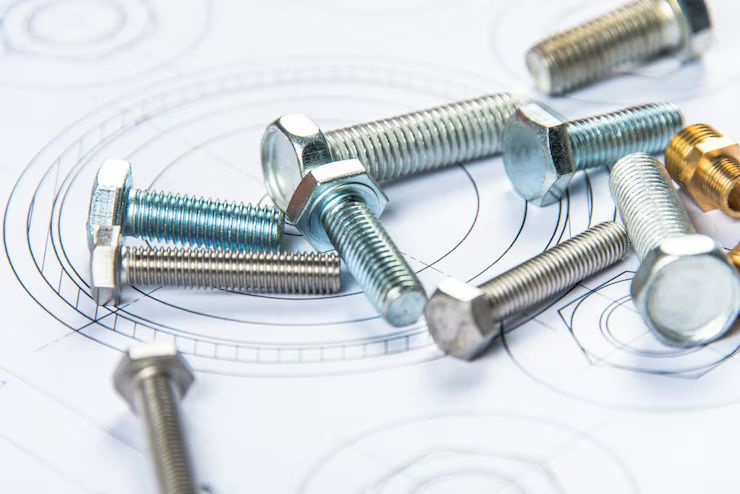
In an increasingly complex supply chain environment, selecting the right supplier is crucial to minimizing downtime, maintaining production quality, and meeting regulatory requirements.
Why Choosing the Right Supplier Matters Today
The importance of reliable screw and bolt suppliers has grown in recent years due to global supply chain disruptions, increasing demand for precision components, and the need for traceability and quality assurance.
Industries affected by this include:
-
Construction and infrastructure: where fasteners are needed for stability and structural safety
-
Automotive and transport: where consistent torque and reliability are essential
-
Electronics and technology: where micro fasteners are used in delicate assemblies
-
Renewable energy: which demands corrosion-resistant and high-strength fasteners
Working with the wrong supplier can lead to:
-
Delayed shipments and production halts
-
Inconsistent quality, leading to safety issues or rework
-
Regulatory non-compliance
-
Increased costs from inventory overstocking or rush orders
As businesses adopt lean inventory models and just-in-time production, dependable suppliers become a key strategic advantage.
Key Trends and Changes in 2024–2025
The fastener industry has seen notable developments over the past year. Here are some of the most important updates:
1. Shift toward digital procurement (2024–2025):
More companies are now using e-commerce portals, supplier platforms, and digital catalogs for faster sourcing. Major suppliers have improved their online presence, offering live inventory tracking and real-time pricing.
2. Increased focus on sustainability:
Many suppliers have begun offering eco-friendly coatings and recyclable fasteners to meet growing environmental standards, especially in the EU and North America.
3. Rising demand for ISO-certified suppliers:
Due to tightening quality standards, especially in aerospace and automotive sectors, buyers are prioritizing vendors with certifications like ISO 9001, AS9100, and IATF 16949.
4. Supply chain resilience efforts post-2023 disruptions:
Following raw material shortages and logistics challenges in 2023, companies are increasingly diversifying their supplier base or choosing suppliers with local/regional inventory hubs.
| Trend | Impact on Buyers |
|---|---|
| Digital sourcing tools | Faster comparison, more transparency |
| Eco-certified products | Support for sustainability goals |
| Compliance certifications | Improved quality and audit readiness |
| Regional distribution centers | Reduced lead time and shipping costs |
Regulatory and Policy Considerations
Working with screw and bolt suppliers often involves navigating standards, regulations, and trade policies. These can differ based on country or region.
United States
-
ASTM and SAE Standards: Ensure fasteners meet mechanical performance standards.
-
Buy American Act: For federal contracts, preference is given to domestic suppliers.
-
Tariff implications: Import duties on fasteners from certain countries may impact cost.
European Union
-
EN ISO standards: Harmonized fastener specifications (e.g., EN ISO 898-1 for bolts).
-
REACH compliance: Suppliers must disclose any harmful substances in coatings.
-
CE Marking (where applicable): For structural fasteners used in construction.
India and Asia-Pacific
-
BIS Certification: Mandatory for certain fastener products under the Bureau of Indian Standards.
-
Make in India incentives: Encourage local sourcing and domestic production of industrial parts.
Regardless of region, buyers must ensure that the supplier provides proper documentation (test reports, material certifications, compliance statements) to pass audits or safety inspections.
Tools and Resources to Assist with Supplier Selection
A variety of tools and services are available to help buyers evaluate, compare, and manage relationships with screw and bolt suppliers:
-
ThomasNet or Alibaba: Supplier directories to filter by location, certification, and product type
-
ISO Certified Supplier Lists: Useful for industries requiring strict quality systems
-
Fastener Calculators: Online tools for torque, preload, thread engagement, etc.
-
CAD Configurators: Many suppliers offer 3D models and specs for design integration
-
Supply Chain Risk Platforms (e.g., Resilinc, Everstream Analytics): Help evaluate geopolitical or financial risks associated with suppliers
-
Compliance Databases: Such as REACH or RoHS declarations provided by suppliers
These tools not only streamline sourcing but also reduce risk in selecting unqualified vendors.
Frequently Asked Questions (FAQs)
What certifications should a reliable screw and bolt supplier have?
Look for ISO 9001 as a minimum. Depending on your industry, others like AS9100 (aerospace), IATF 16949 (automotive), or ISO 17025 (testing labs) may be needed.
How can I test the quality of fasteners received from a supplier?
You can request mill test certificates (MTCs) and perform random batch testing for tensile strength, hardness, corrosion resistance, and dimensional accuracy.
Is it better to work with local or international suppliers?
Local suppliers offer quicker shipping and easier communication, while international ones may offer cost savings. The choice depends on your volume needs, lead time tolerance, and required standards.
What are common materials used in screws and bolts?
Typical materials include carbon steel, stainless steel, brass, titanium, and alloy steel. The selection depends on environmental conditions and strength requirements.
How do I ensure the supplier will meet delivery timelines?
Check their logistics setup (e.g., regional warehouses), request average lead time data, and evaluate client reviews or case studies. Some suppliers also offer service-level agreements (SLAs).
Conclusion
Selecting the right screw and bolt supplier is a decision that impacts product safety, production efficiency, and overall business performance. In today’s globalized but fragile supply chain environment, businesses need partners who offer not only quality and pricing but also compliance, traceability, and dependability.
With tools like online supplier directories, CAD configurators, and certification databases, it’s now easier than ever to make informed choices. Prioritize suppliers who meet your industry’s quality standards, provide transparent documentation, and show a clear commitment to sustainable practices.
Taking the time to evaluate and build relationships with the right suppliers can lead to long-term gains in productivity, safety, and operational resilience.