Guide to Facial & Body Rejuvenation: Secrets to a Youthful Glow
Facial and body rejuvenation refers to a set of treatments, therapies, and lifestyle changes aimed at enhancing the appearance of the skin and body, often focusing on reducing signs of aging such as wrinkles, sagging, pigmentation, and volume loss. These approaches range from minimally invasive procedures like chemical peels and laser therapy to non-invasive methods such as skincare routines and body contouring with radiofrequency or ultrasound devices.
The concept exists because skin naturally changes over time. Exposure to the sun, environmental toxins, stress, and lifestyle habits all contribute to premature aging. Facial and body rejuvenation techniques aim to slow down or reverse visible signs of aging while promoting skin health, elasticity, and texture.
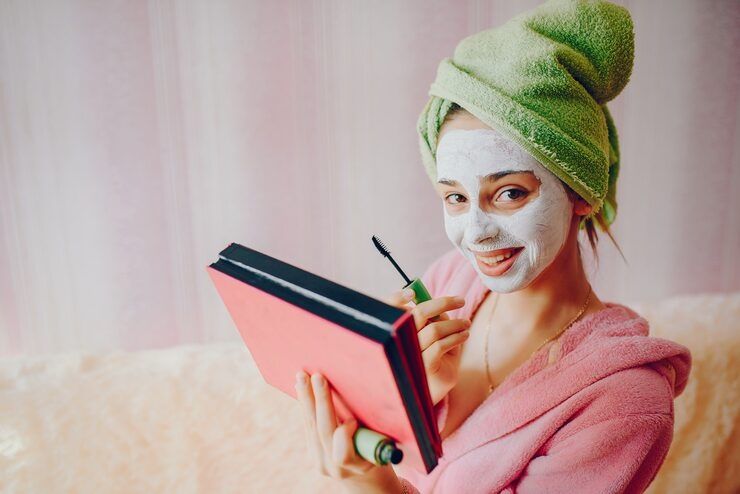
This field continues to evolve with scientific advancements, making it more accessible and safer than ever before for individuals seeking natural-looking improvements.
Why This Topic Matters Today
In today's world, the desire for healthy and youthful skin is more than cosmetic. It reflects an overall commitment to wellness, confidence, and self-care. This topic is especially relevant because:
-
Aging population: With increasing lifespans, more people are looking for ways to maintain a vibrant appearance well into older age.
-
Stressful lifestyles: Chronic stress and poor sleep habits can accelerate visible aging, making rejuvenation techniques more desirable.
-
Social media and image-consciousness: Many individuals, particularly in younger generations, are becoming proactive about skincare and body image.
Facial and body rejuvenation affects a wide demographic—women and men, young adults preventing premature signs, and older individuals looking to restore vitality. It offers physical and psychological benefits by improving self-esteem and comfort in one's appearance.
Additionally, many solutions are now non-invasive, require minimal downtime, and are becoming part of holistic wellness routines rather than cosmetic luxury.
Recent Advances and Trends in 2024–2025
The past year has seen several notable trends and updates in facial and body rejuvenation:
| Trend/Update | Description |
|---|---|
| Biostimulatory fillers | Products like Sculptra and Radiesse stimulate collagen production over time, leading to more natural results. |
| Exosomes in skincare | Derived from stem cells, exosomes are being used in topical applications to promote skin repair and regeneration. |
| Combination therapy | Using a mix of modalities—like microneedling with PRP (platelet-rich plasma) or combining radiofrequency with lasers—for better results. |
| At-home devices | FDA-cleared LED light therapy and microcurrent devices have grown in popularity for personal use. |
| Focus on body treatments | In addition to facial treatments, non-invasive body contouring (e.g., Emsculpt Neo, CoolSculpting Elite) has gained interest. |
According to dermatology and aesthetics reports from 2024, there is a growing demand for natural-looking results and preventative procedures. Treatments are now more tailored, with providers using AI imaging and digital tools to track progress.
Legal Considerations and Safety Policies
Facial and body rejuvenation procedures are regulated differently depending on the country. However, several core policies and safety guidelines are common globally:
-
Licensed professionals only: Most invasive or semi-invasive procedures (e.g., injectables, lasers) must be performed by certified dermatologists or trained medical professionals.
-
FDA/EMA approvals: Devices and substances used (e.g., hyaluronic acid fillers, radiofrequency tools) must be approved by national health authorities like the U.S. FDA or European EMA.
-
Informed consent: Providers must inform patients of potential risks, downtime, and expected results.
-
Age and health restrictions: Certain treatments may have minimum age or health conditions required before undergoing the procedure.
-
Advertising rules: Clinics and providers must avoid exaggerated claims and disclose realistic expectations (in compliance with Google Ads and local consumer protection laws).
Patients are encouraged to verify practitioner credentials and check if the product or service is certified by relevant local health authorities.
Helpful Tools and Resources
Numerous tools and resources are available to assist individuals considering facial or body rejuvenation, whether through at-home care or clinical treatments:
Mobile Apps and Tools
-
Skincare Routine Apps: TroveSkin, Think Dirty – help track product usage, analyze skin, and find safe ingredients
-
Telehealth Dermatology: Curology, Apostrophe, SkinIO – online skin consultations with licensed professionals
-
Treatment Simulators: Some clinics offer 3D facial simulation to preview results from procedures like fillers or lasers
Websites
-
American Academy of Dermatology (aad.org) – Offers guidelines, research, and safety checklists
-
International Society of Aesthetic Plastic Surgery (isaps.org) – Global directory of certified providers
-
FDA Cosmetic Device Approvals (fda.gov) – Verify if devices are legally approved for use in your region
In-Clinic Resources
-
Skin Analysis Machines (e.g., VISIA) – Available in many modern clinics to map wrinkles, pores, sun damage
-
Consultation Templates – Structured questionnaires used to determine best-fit treatments for individual goals
These resources can help users make safe, informed, and effective decisions.
Frequently Asked Questions (FAQs)
What is the best age to start facial rejuvenation treatments?
There is no set age. Preventative care can begin in one’s mid-to-late 20s with sunscreen, antioxidants, and hydration. More active treatments like lasers or fillers are usually considered in the 30s or later, depending on skin condition and goals.
Are non-invasive treatments truly effective?
Yes, many non-invasive treatments like radiofrequency, ultrasound (Ultherapy), and LED therapy show measurable improvements in firmness, texture, and tone. However, results are typically subtler and may require consistent sessions.
What’s the difference between Botox and fillers?
Botox temporarily relaxes muscles to reduce dynamic wrinkles (e.g., forehead lines), while dermal fillers add volume to areas with loss (e.g., cheeks, under eyes). They serve different but complementary purposes.
How long do rejuvenation results last?
It depends on the treatment. Botox may last 3–4 months, while fillers can last 6–18 months. Skin resurfacing results may last longer, especially with good skincare maintenance.
Can I combine multiple treatments?
Yes, combination therapy is common and often more effective. For example, using microneedling with PRP followed by LED light therapy enhances healing and results. A professional consultation is essential to customize safely.
Conclusion
Facial and body rejuvenation is more than an aesthetic trend—it's part of a broader movement toward proactive skin and health care. With evolving technology, increased accessibility, and greater awareness, people now have more options than ever to maintain or restore a youthful glow.
By understanding the science behind treatments, following regulations, using certified tools, and seeking professional guidance, individuals can achieve natural-looking results while prioritizing safety. Whether starting with a new skincare regimen or exploring advanced therapies, the key lies in informed, mindful choices tailored to personal needs and goals.