Explore the Premier Online Sports Equipment Shop: Beginner’s Guide to Scoring Big
Online sports equipment shops have become a popular and practical solution for athletes, fitness enthusiasts, and beginners alike. These digital platforms offer a wide variety of gear—ranging from running shoes and yoga mats to professional-level training equipment—all available at the click of a button.
This shift towards digital shopping stems from the desire for convenience, broader product selections, and competitive prices. Instead of visiting multiple stores in person, consumers can now compare specifications, reviews, and prices in minutes from their phones or computers.
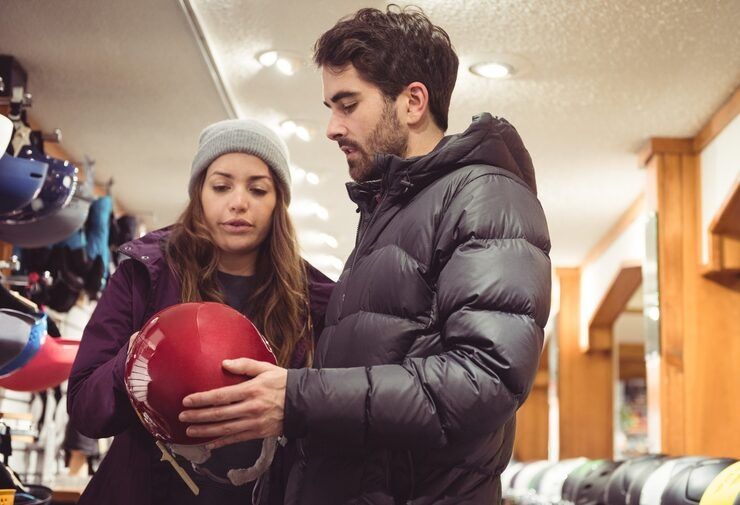
The growth of e-commerce, combined with global interest in health and fitness, has made online sports stores an essential resource. As more people commit to active lifestyles, knowing how to choose and buy the right gear online has become a vital skill—especially for beginners.
Why Online Sports Gear Shopping Matters Today
In today’s fast-paced world, time and convenience are valuable. Online sports stores meet these needs while offering access to high-quality equipment not always available locally. This matters even more in the following situations:
-
New fitness journeys: Beginners often lack knowledge about equipment types or brands. A good online platform can simplify choices with detailed guides and user reviews.
-
Remote areas: For people in rural or underserved areas, online shopping is sometimes the only way to access specialized gear.
-
Post-pandemic routines: With many people continuing at-home workouts or outdoor sports post-COVID-19, digital access to sports gear has remained essential.
-
Diverse needs: From team sports to personal fitness and even rehabilitation, online stores cater to all categories in one place.
It benefits not just individuals but also gyms, schools, clubs, and personal trainers looking to outfit themselves or their organizations quickly and reliably.
What’s New in 2024–2025: Trends and Developments
The past year has seen significant updates in how sports equipment is bought and sold online:
-
AI-Powered Recommendations: Many platforms now use AI to offer personalized suggestions based on user activity and preferences. (E.g., Adidas and Nike both introduced enhanced AI-based shopping assistants in late 2024.)
-
Sustainability Push: An increase in eco-conscious equipment such as biodegradable yoga mats and recycled-material apparel is evident across major platforms.
-
Virtual Try-On Technology: Several brands (like Decathlon and Under Armour) rolled out AR features in early 2025 that let users virtually “try on” gear using phone cameras.
-
Subscription Models: Some retailers now offer rental or subscription-based access to high-end gear, allowing users to test before they invest long-term.
-
Enhanced Delivery Networks: As of Q1 2025, partnerships with logistics providers (like FedEx and Delhivery) have reduced average delivery times in North America and Asia-Pacific regions.
These innovations aim to improve user experience, minimize returns, and make quality gear accessible to more people globally.
Legal Guidelines and Shopping Policies to Know
While shopping online is convenient, it's important to understand the policies that govern your rights as a consumer. Here’s a breakdown of what to be aware of:
| Policy Area | Description |
|---|---|
| Return Policies | Most retailers provide a 7–30 day return window. Always check conditions. |
| Warranty Coverage | Sports equipment may come with 6–12 month warranties, especially for electronics. |
| Consumer Protection Laws | In countries like the U.S., U.K., and India, e-commerce transactions are protected under respective consumer acts. |
| Safety Certifications | In Europe and the U.S., equipment like helmets and fitness machines must meet regulatory standards (e.g., CE, ASTM). |
| Data Privacy | Retailers must comply with GDPR, CCPA, or local equivalents when handling your data. |
Being aware of these rules ensures a safer and more informed shopping experience.
Helpful Tools and Resources for Smarter Shopping
There are numerous tools and websites that can help you make better decisions when buying sports gear online:
-
Gear Comparison Sites: Websites like RunRepeat, FitRated, and OutdoorGearLab offer side-by-side comparisons based on user reviews and expert ratings.
-
Size and Fit Calculators: Brands like ASICS and Reebok offer interactive sizing tools for shoes and apparel based on height, weight, and activity level.
-
Virtual Try-On Apps: Apps like Zeekit and Perfect Corp. enable users to see how clothing or gear looks on their body type.
-
Used Gear Marketplaces: Platforms such as SidelineSwap and Play It Again Sports offer certified pre-owned equipment at lower prices.
-
Workout Equipment Checklists: Free downloadable templates from fitness blogs or brand websites help beginners track essential purchases.
-
Delivery Trackers: Most retailers now offer real-time package tracking through apps like Shop or carrier-specific tools.
These tools reduce confusion, increase confidence, and often save money by preventing incorrect purchases.
Frequently Asked Questions (FAQs)
What is the best time to buy sports equipment online?
Sales typically peak during year-end holidays (November–December), New Year’s fitness rush (January), and mid-year clearance (June–July). Signing up for brand newsletters can also alert you to flash deals.
How do I know if equipment is authentic when shopping online?
Buy only from verified brand websites or authorized online retailers. Avoid third-party sellers without customer reviews or ratings. Use tools like Trustpilot or ScamAdvisor to check platform reliability.
Is it safe to buy used sports gear online?
Yes, if purchased from reputable used-gear platforms with clear quality standards, return options, and item verification. Avoid used protective gear (like helmets or mouthguards) for hygiene and safety reasons.
What if the equipment I order doesn't fit or perform well?
Most online retailers offer flexible return or exchange policies. Check the fine print on eligibility (e.g., time limits, packaging conditions) before purchasing.
Can I find specialized gear for niche sports online?
Absolutely. From fencing to rock climbing to rowing, many niche platforms and brand-specific stores cater to less mainstream activities with curated inventories.
Conclusion
Shopping for sports equipment online has become a practical, flexible, and often cost-effective way to gear up—whether you're a seasoned athlete or just getting started. Understanding the evolving trends, knowing your rights, and using the right tools can help you avoid common pitfalls and make informed choices.
As innovation in virtual try-ons, AI-assisted shopping, and sustainable gear continues into 2025, the online sports retail experience is only improving. By approaching it with the right mindset and knowledge, scoring big—on value, performance, and quality—is well within reach.