Discover Affordable Pergolas: A Comprehensive Guide with Tips for Elegant Living
Pergolas are outdoor structures that typically consist of vertical posts supporting an open lattice of beams and rafters. Unlike enclosed gazebos or full-roofed patios, pergolas are designed to offer partial shade, define garden spaces, and enhance visual appeal. They can be freestanding or attached to a home and are often used in backyards, patios, or walkways to support climbing plants, provide shelter for outdoor seating areas, or frame a garden view.
The appeal of pergolas lies in their ability to blend form and function. Whether crafted from wood, vinyl, metal, or composite materials, they offer a cost-effective way to extend living spaces outdoors. With growing interest in sustainable living and open-air environments, more people are choosing pergolas to create elegant yet practical outdoor areas.
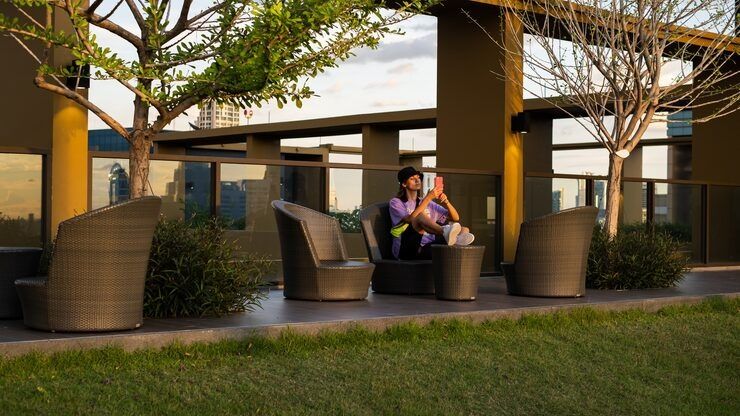
Why Affordable Pergolas Matter Today
Pergolas have become increasingly popular in modern home design, especially among homeowners seeking functional and aesthetic upgrades without committing to costly renovations. They provide a solution for:
-
Outdoor living expansion: Creating usable space for relaxation, dining, or entertaining without a full room extension.
-
Sunlight control: Offering relief from direct sun while still allowing natural light to filter through.
-
Visual appeal: Enhancing the overall look of gardens, patios, or rooftops.
-
Budget-conscious upgrades: Serving as a low-cost alternative to full constructions like covered patios or sunrooms.
The trend towards work-from-home and staycations has also made outdoor comfort more relevant than ever. In urban areas with limited space, compact pergolas help maximize small balconies or courtyards. For rural homeowners, they add charm and definition to expansive gardens.
Affordable pergolas specifically appeal to renters, budget-conscious homeowners, and DIY enthusiasts who seek functional beauty without high costs. This shift in demand has also encouraged manufacturers and retailers to offer modular, easy-to-install pergola kits at various price points.
Trends and Updates in Pergola Design (2024–2025)
Recent years have brought notable changes in the way pergolas are designed, used, and purchased. Some key trends include:
-
Smart pergolas: Motorized louver systems, retractable canopies, and built-in LED lighting are becoming increasingly accessible, even for budget models.
-
Sustainable materials: Recycled aluminum, bamboo, and eco-friendly composite wood have gained traction due to consumer demand for green alternatives.
-
Hybrid structures: Pergolas are now often combined with shade sails, solar panels, or even retractable walls, allowing for year-round use in varying climates.
-
Color and customization: Neutral palettes like beige, matte black, and dark wood tones dominate 2024 designs, with homeowners looking for sleek but understated elegance.
-
Modular DIY kits: As of early 2025, several hardware chains and online platforms offer customizable kits that can be assembled in a weekend with minimal tools.
According to the National Association of Landscape Professionals (NALP), interest in budget-friendly outdoor improvements like pergolas surged by over 30% between 2022 and 2024.
Legal Considerations and Building Regulations
Before constructing or installing a pergola, it’s essential to check local laws and building codes. These may vary based on your country, state, or city. In many regions, even small outdoor structures require compliance with municipal planning guidelines.
Key legal points to consider:
-
Permit requirements: In the U.S., a pergola larger than 120 square feet or attached to a house may need a permit. Local building departments can provide specific guidance.
-
Height and boundary restrictions: There are often limitations on how close a pergola can be built to fences, property lines, or neighboring homes.
-
HOA rules: Homeowners' associations (HOAs) may have design restrictions, material requirements, or even color limitations.
-
Fire safety and wind resistance: Certain materials may be prohibited in fire-prone zones. Likewise, regions with high wind exposure may require anchoring systems or wind-rated materials.
-
Historic preservation zones: In heritage areas, approval may be needed to ensure that the pergola design aligns with architectural preservation rules.
Always consult local building authorities or use available online permitting portals to ensure your pergola project complies with current codes.
Helpful Tools and Resources for Planning
A range of digital tools and services can help you plan, budget, and build an affordable pergola without hassle:
| Tool/Service | Purpose | Website or App |
|---|---|---|
| Pergola Planner (by Simpson Strong-Tie) | Visualize structure and dimensions | strongtie.com |
| Home Depot or Lowe’s Pergola Kits | Budget-friendly DIY materials and tutorials | homedepot.com |
| SketchUp or Planner 5D | 3D design tools to simulate your backyard | sketchup.com |
| Local zoning lookup tools | Check permit needs and boundary lines | Local municipal websites |
| Pinterest and Houzz | Style ideas and user-built projects | pinterest.com, houzz.com |
Some websites also offer calculators to estimate total costs based on size, material, and installation type (DIY vs. professional).
Frequently Asked Questions
What is the most affordable material for a pergola?
Pressure-treated wood is often the most budget-friendly option, though it requires more maintenance than metal or vinyl. For low-maintenance, aluminum kits are also relatively affordable.
Do I need a permit to build a pergola?
This depends on your location and the size of the pergola. Smaller freestanding units may not require permits, but attached or large structures often do. Check with your local building department.
Can a pergola be installed on a balcony or rooftop?
Yes, but it must be lightweight and approved by a structural engineer or the property manager to ensure it doesn’t compromise building integrity.
How long does a basic pergola last?
With proper maintenance, wood pergolas last 10–15 years. Metal or vinyl versions can last 20+ years, especially in mild climates.
Is it possible to install a pergola without digging or foundations?
Yes, some freestanding kits come with weighted base plates or anchor systems that don't require digging. These are ideal for decks or rental properties.
Final Thoughts
Pergolas represent a practical and stylish solution for homeowners and renters alike who want to enhance their outdoor spaces without excessive costs. With evolving trends, accessible materials, and a growing list of budget-friendly resources, creating a comfortable and elegant outdoor environment has never been easier.
By considering design options, checking local regulations, and using the right planning tools, you can install a pergola that balances function, beauty, and affordability. Whether you’re dreaming of a peaceful reading nook or a shaded dining area, this guide provides the foundation to start your pergola journey with confidence and clarity.