A Comprehensive Guide to Fitness Tips from Online Personal Trainers
Online personal training has grown significantly in recent years, giving individuals around the world easier access to customized workout plans and professional guidance—without needing to step foot in a gym. Whether you’re a beginner trying to get healthier or an experienced athlete aiming to reach specific goals, online trainers provide flexible, affordable, and location-independent fitness support.
This approach includes virtual workout sessions, fitness tracking apps, and customized plans delivered through video calls, mobile apps, or online platforms. The shift toward digital fitness coaching reflects broader changes in how we work, live, and prioritize health—especially following the global increase in remote work and home-based living after 2020.
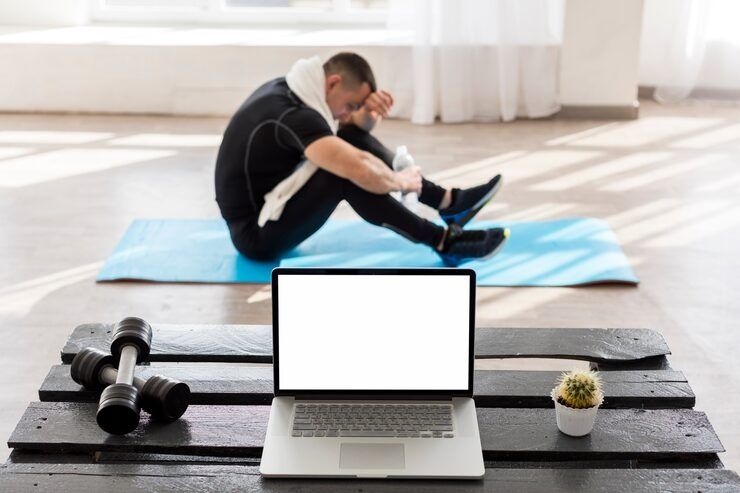
Why Fitness Tips from Online Trainers Matter Today
Fitness is no longer just about lifting weights or running on a treadmill. It’s now intertwined with mental health, sleep, work productivity, and disease prevention. Online personal trainers offer more than generic workout routines—they give personalized strategies that adapt to your lifestyle, schedule, and fitness level.
Here’s why their tips are valuable today:
-
Accessibility: Anyone with internet access can learn from certified professionals.
-
Customization: Plans are tailored to age, fitness level, and health conditions.
-
Accountability: Many trainers provide progress tracking, reminders, and check-ins.
-
Affordability: Virtual sessions often cost less than in-person alternatives.
-
Flexibility: You can work out anytime, anywhere.
This guidance is especially helpful for people managing chronic conditions, recovering from injury, or starting exercise for the first time. It also supports those who prefer privacy, travel frequently, or need workouts that fit unpredictable schedules.
Recent Trends and Updates in Online Fitness (2024–2025)
Several key trends have shaped the online fitness landscape over the past year:
Increased Integration with Wearable Tech (2024)
Online trainers increasingly rely on data from wearable fitness trackers like Fitbit, Apple Watch, and Garmin to personalize advice. Heart rate zones, sleep quality, and step counts are now part of many training plans.
AI-Assisted Workout Programs
AI-generated fitness plans and chat-based trainer bots became more common in 2024. While not a replacement for certified professionals, these tools are often used alongside live coaching.
Rise of Mental Wellness Integration
Programs now include stress management, meditation, and recovery tracking. Platforms like Future, Centr, and Aaptiv blend physical training with mental well-being content.
Focus on Inclusive Fitness
More trainers offer plans for people with disabilities, older adults, and postnatal clients. Adaptable exercises and inclusive coaching styles are becoming standard.
Globalization of Coaching Services
Platforms like Trainerize, My PT Hub, and Fyt allow trainers from different countries to serve clients across borders. This expanded competition and increased access to diverse training philosophies.
How Laws and Regulations Affect Online Fitness Training
While online fitness coaching is not as tightly regulated as in-person physical training, certain standards and protections apply in most countries:
Certification Requirements
In many countries, trainers must hold certifications from recognized bodies like NASM (USA), REPs (UK), or ACE. However, enforcement of these requirements is weaker online, so clients should always verify credentials.
Data Privacy Regulations
Online trainers often collect health data, making compliance with privacy laws essential:
-
GDPR (Europe): Requires trainers to secure user data and disclose usage clearly.
-
HIPAA (USA, if medical data is involved): Applies if trainers handle sensitive health information.
-
DPDP Act (India, 2023): Applies to apps storing user data for Indian clients.
Consumer Protection Laws
Refund policies, clear pricing, and transparent service descriptions are required in most jurisdictions. Many platforms enforce these via their terms of service.
Health and Safety Disclaimers
Trainers are usually required to include health disclaimers, recommending medical clearance before starting new routines, particularly for clients with health risks.
Helpful Tools, Platforms, and Resources
Here’s a selection of resources that make online fitness more effective and manageable:
| Tool/Platform | Purpose | Best For |
|---|---|---|
| MyFitnessPal | Nutrition and calorie tracking | Diet + weight management |
| Trainerize | Online coaching and progress tracking | Trainers + clients |
| FitOn / Centr / Future | Guided workouts and fitness plans | Self-guided daily fitness |
| Strong App | Workout logging and progress analysis | Strength training |
| WHO Physical Activity Guidelines | Official health recommendations | General public |
| Google Fit / Apple Health | Syncs data from devices | All users with wearables |
Tip: Many personal trainers also use Google Sheets, Notion templates, or custom mobile apps to deliver programs and track client progress.
Frequently Asked Questions (FAQs)
1. Do I need equipment to follow an online trainer’s plan?
Not necessarily. Many trainers offer bodyweight programs or use household items (like water bottles or chairs) for resistance. If your goal includes strength gains, minimal equipment like resistance bands or dumbbells may be recommended.
2. How do I know if an online trainer is qualified?
Check for certifications from organizations like NASM, ACE, ISSA, or ACSM. Also look for client reviews, sample programs, and responsiveness to health concerns or injuries.
3. Can I lose weight or build muscle effectively with an online trainer?
Yes, results depend more on consistency, plan adherence, and nutrition than the training format. Online trainers can help set realistic goals, monitor progress, and adjust your routine as needed.
4. What should I expect in a first online session?
Usually, trainers will ask about your goals, fitness history, medical issues, and preferences. Some will assess your movement via video or request you to track your current activity for a few days before customizing a plan.
5. Are there risks to training online without supervision?
There can be, especially if you’re new to exercise. To reduce injury risk, follow video instructions closely, ask questions, and start slowly. Choose trainers who provide form-checking options or regular feedback.
Final Thoughts: Making Online Fitness Work for You
Online personal training offers a practical way to stay fit, healthy, and motivated—regardless of where you live or how busy your schedule is. With tools to track progress, adapt routines, and get expert advice remotely, it’s now easier than ever to take control of your physical well-being.
By choosing a qualified trainer, following personalized advice, and using digital tools mindfully, you can achieve meaningful results—whether you're aiming for general health, fat loss, strength, or improved mobility.
As online fitness continues to evolve, the key is to stay informed, set realistic expectations, and prioritize safety. Fitness is not a one-size-fits-all journey, and online trainers help ensure your path is built around you.